The process of product design is a systematic journey that closesthe gap between an idea and a tangible, functional product. Understanding user needs is crucial for developing successful products and businesses. Design thinking and lean startup methods are key approaches that focus on user-centric innovation (Marion et al., 2021). This guidewalksyou through the five definitivesteps of product design—starting from conceptual development to ultimate production.
Concept Development: The Foundation of Product Design
All successful productsbegin with a strong concept. This is the initial stepwhere research and creativity intersect. To develop a product concept, researchers recommend several strategies. Brainstorming with a team, sketching ideas, and examining existing designs are crucial initial steps (Kosky et al., 2021).Websites like Pinterest, Behance, and design blogs are excellent for inspiration. The concept that you develop herewill bethe basis of your whole design process, so take time consideringconceptsindepth and writing them down legibly.
First Concept
Second Concept
Third Concept
Fourth Concept
Once you have some references and ideas, brainstormingcomes next. Brainstorming is a powerful technique for generating numerous ideas quickly, encouraging divergent thinking and free association while suspending evaluation (Saldanha et al., 2020). You can drawout your ideas on paper or on the computer to see them in front of you. Whether Research shows that the type of prompt used can affect brainstorming performance, with alternate uses prompts potentially closing the gap between individual and group ideation (Goldenberg & Wiley, 2019). Makesure each idea is siftedthrough on the basis of feasibility, user requirements, and innovation.
Brain Storming
Early Design Stage: Developing Technical Sketches
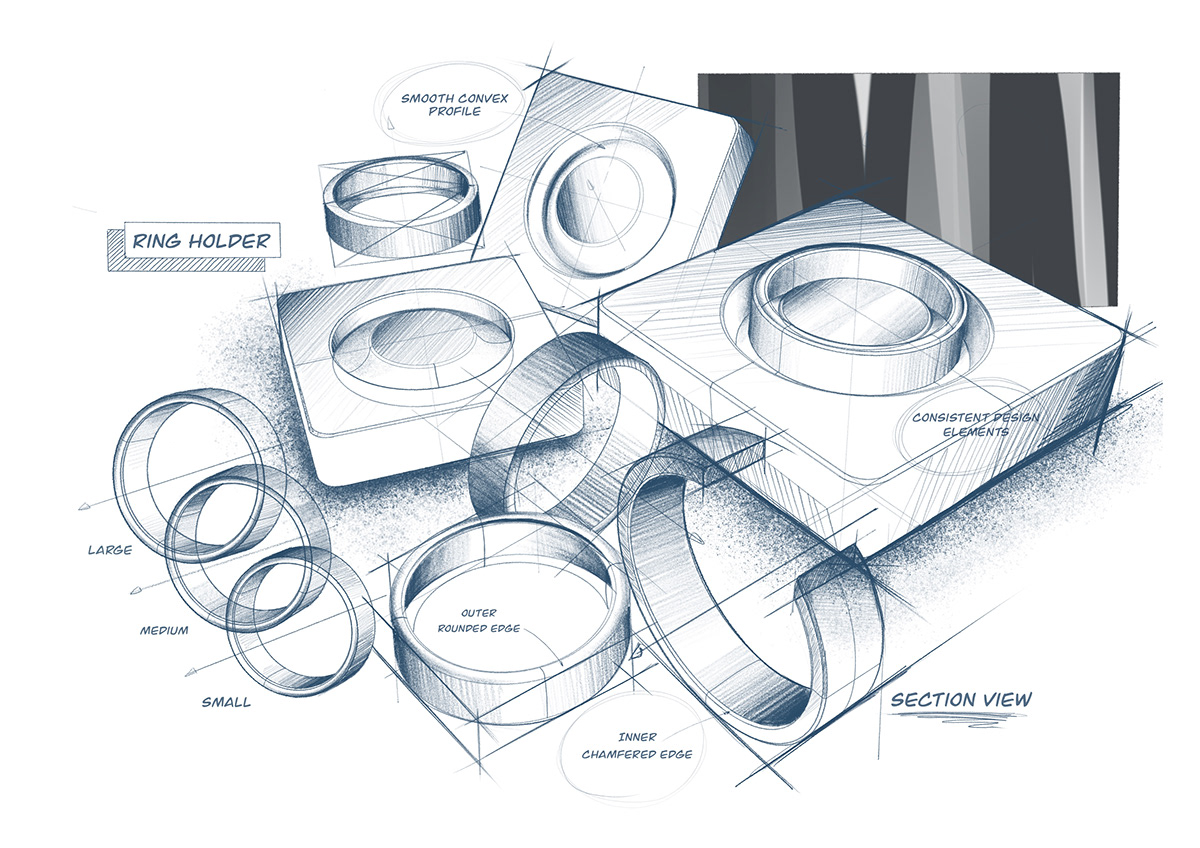
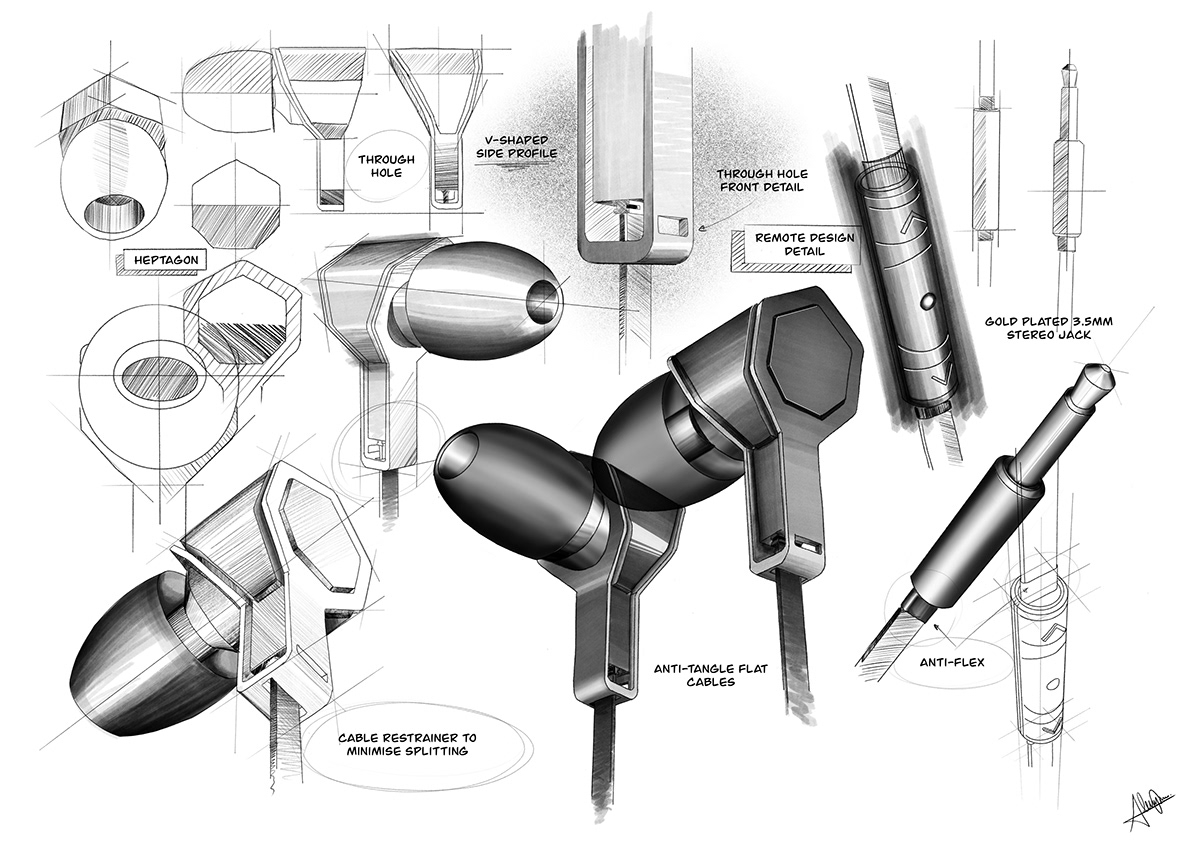
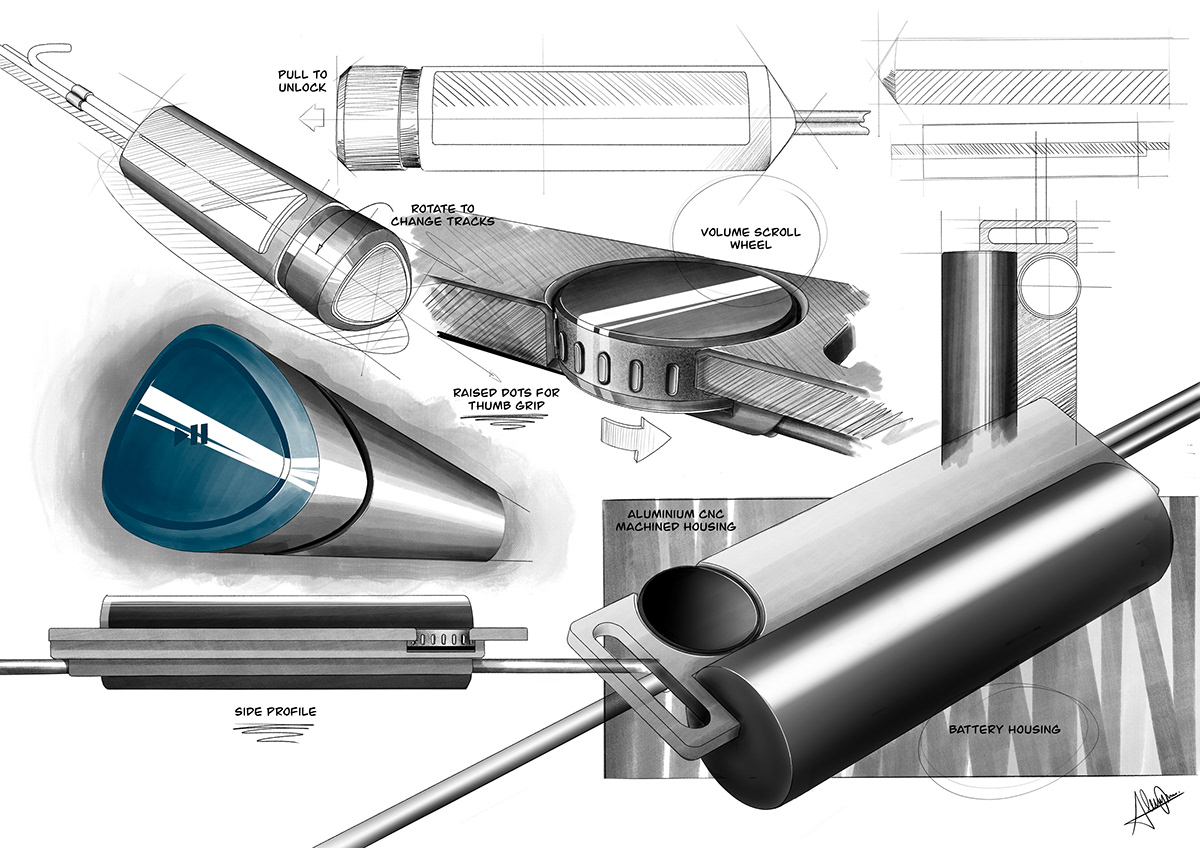
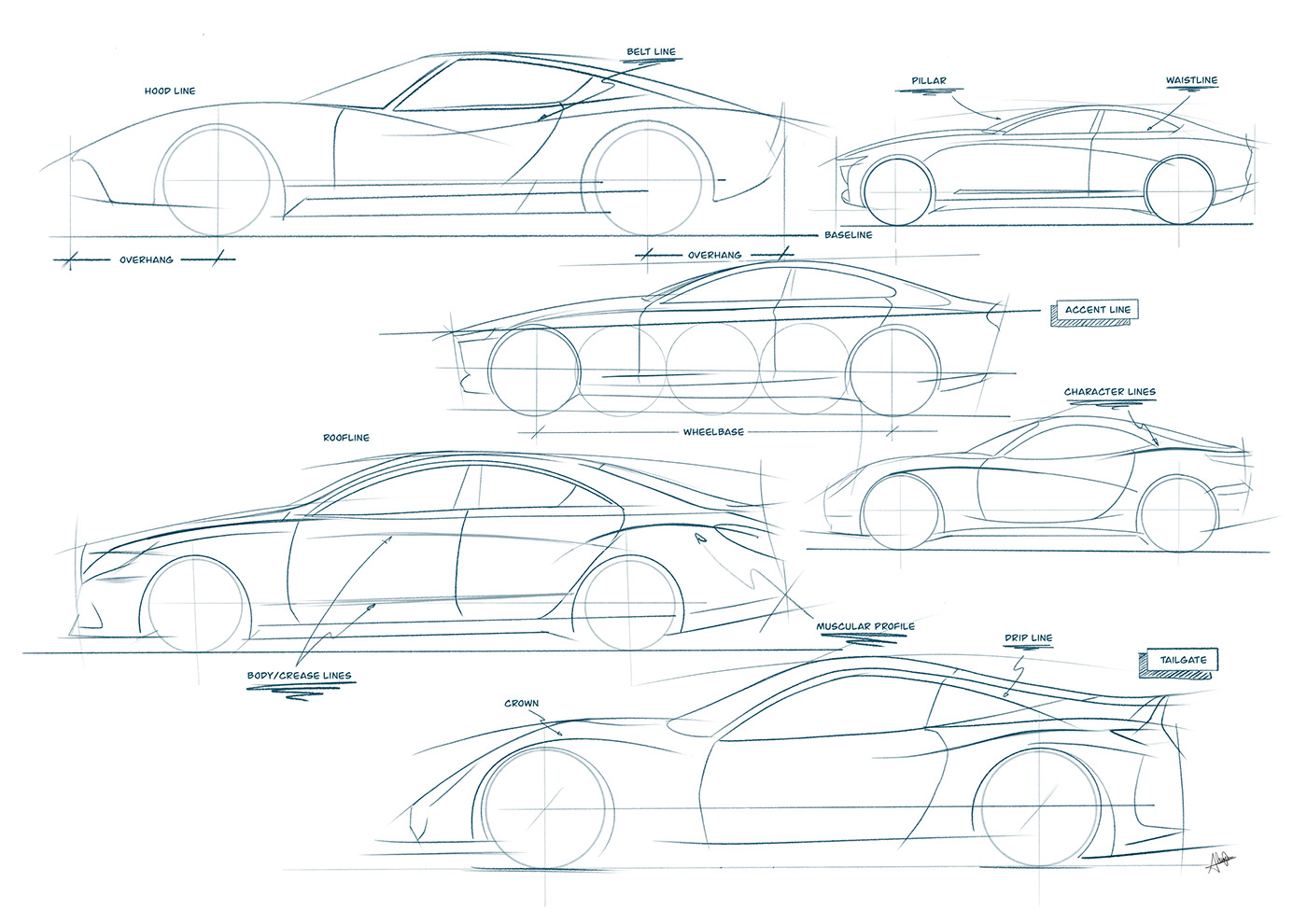
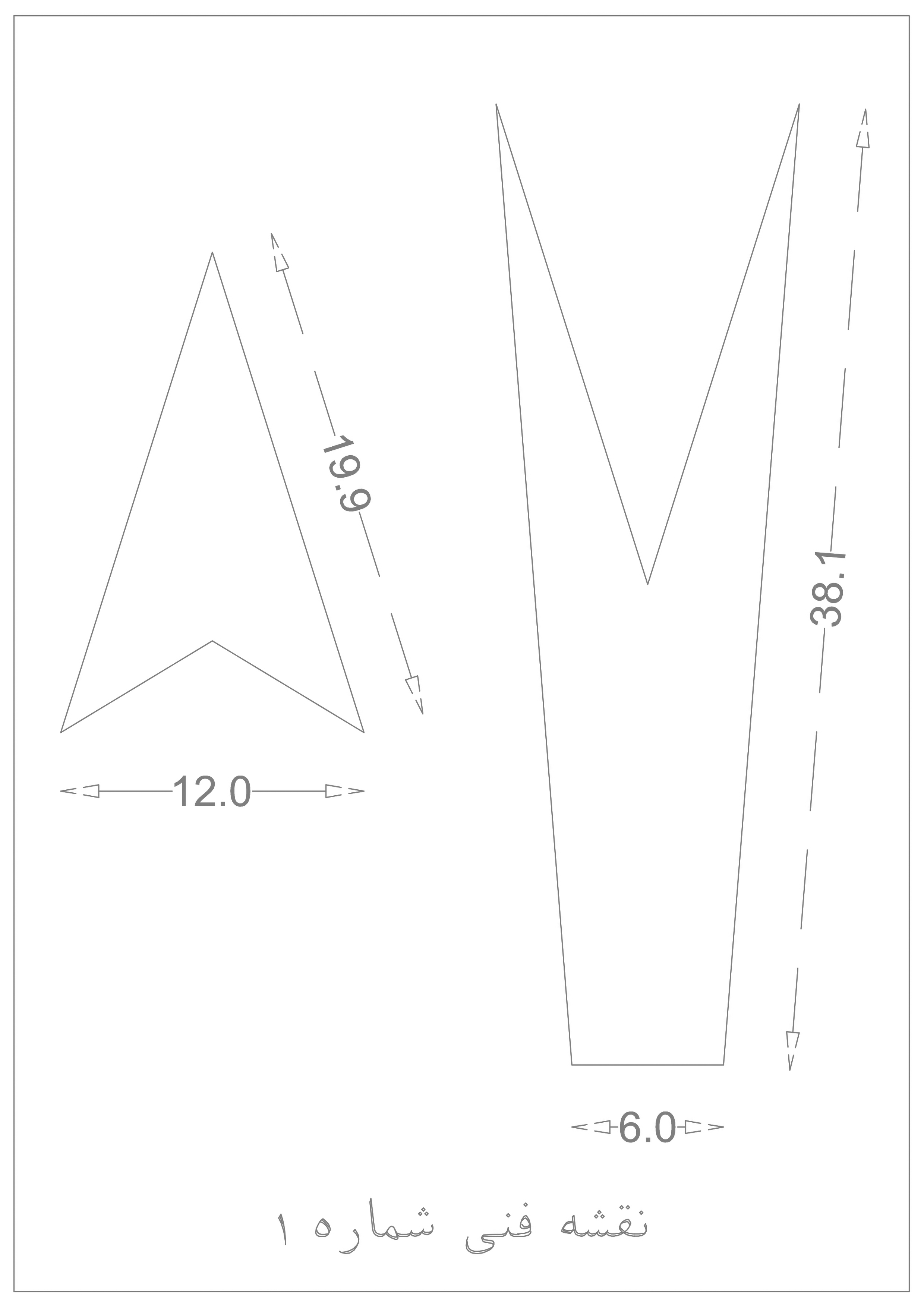
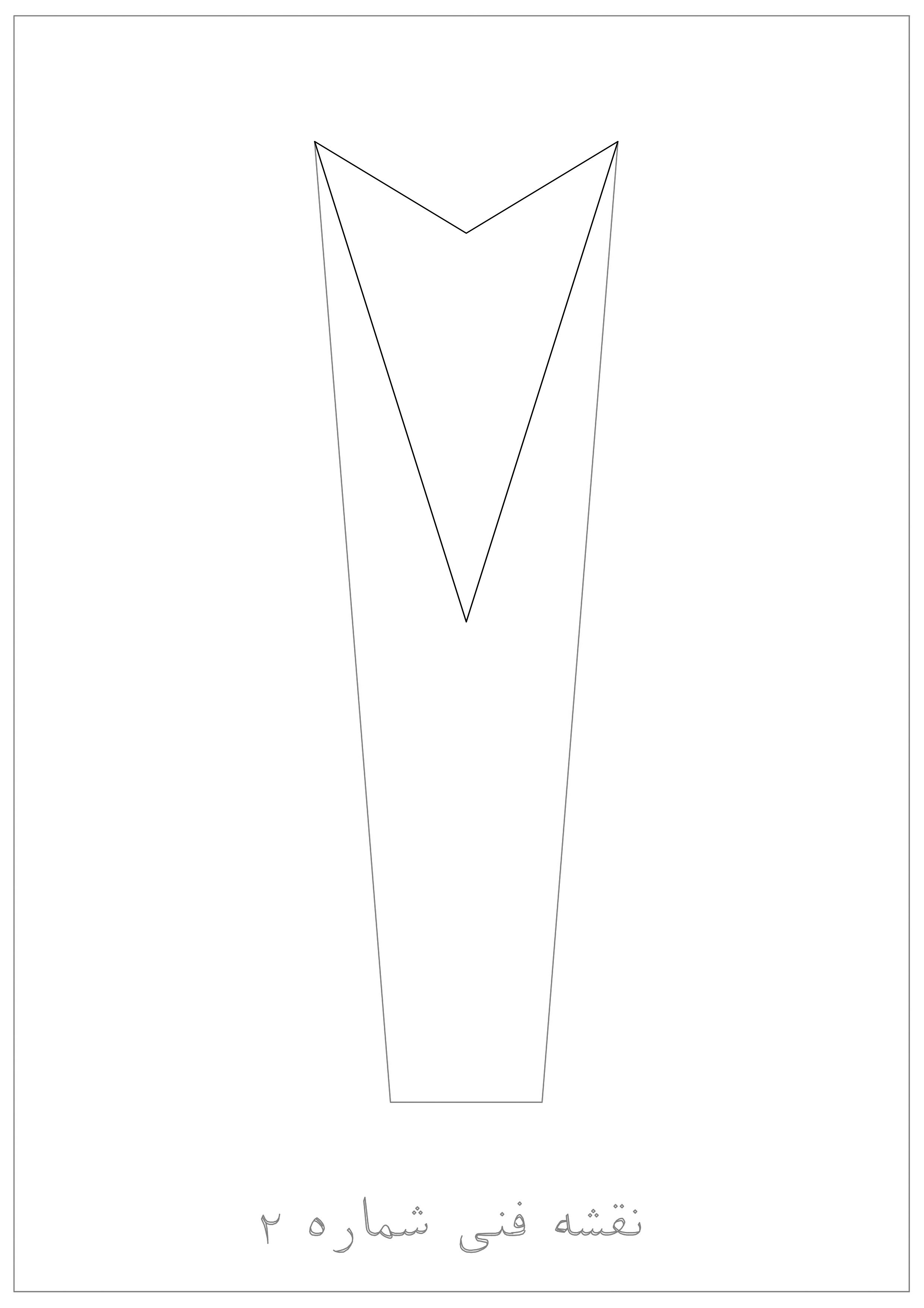
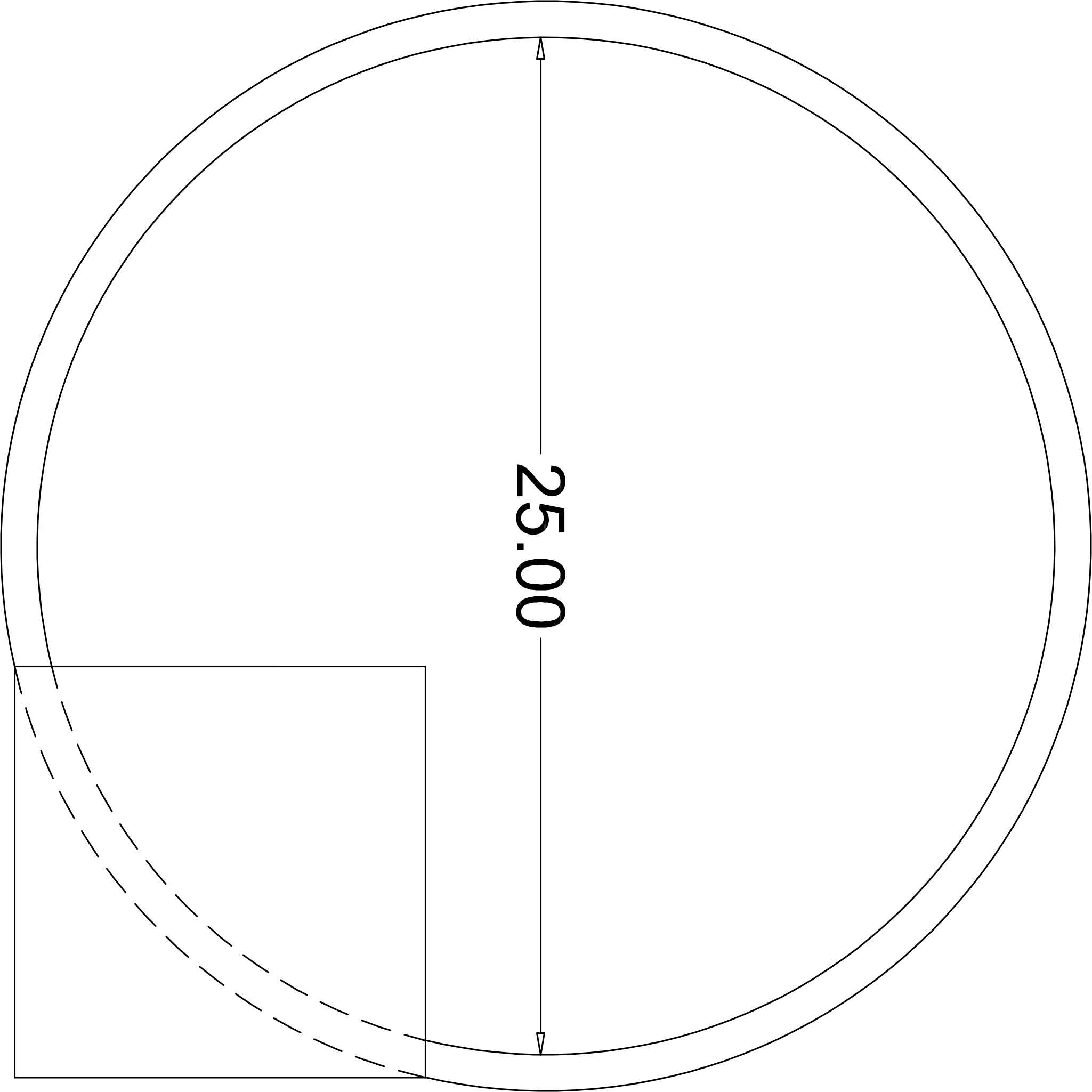
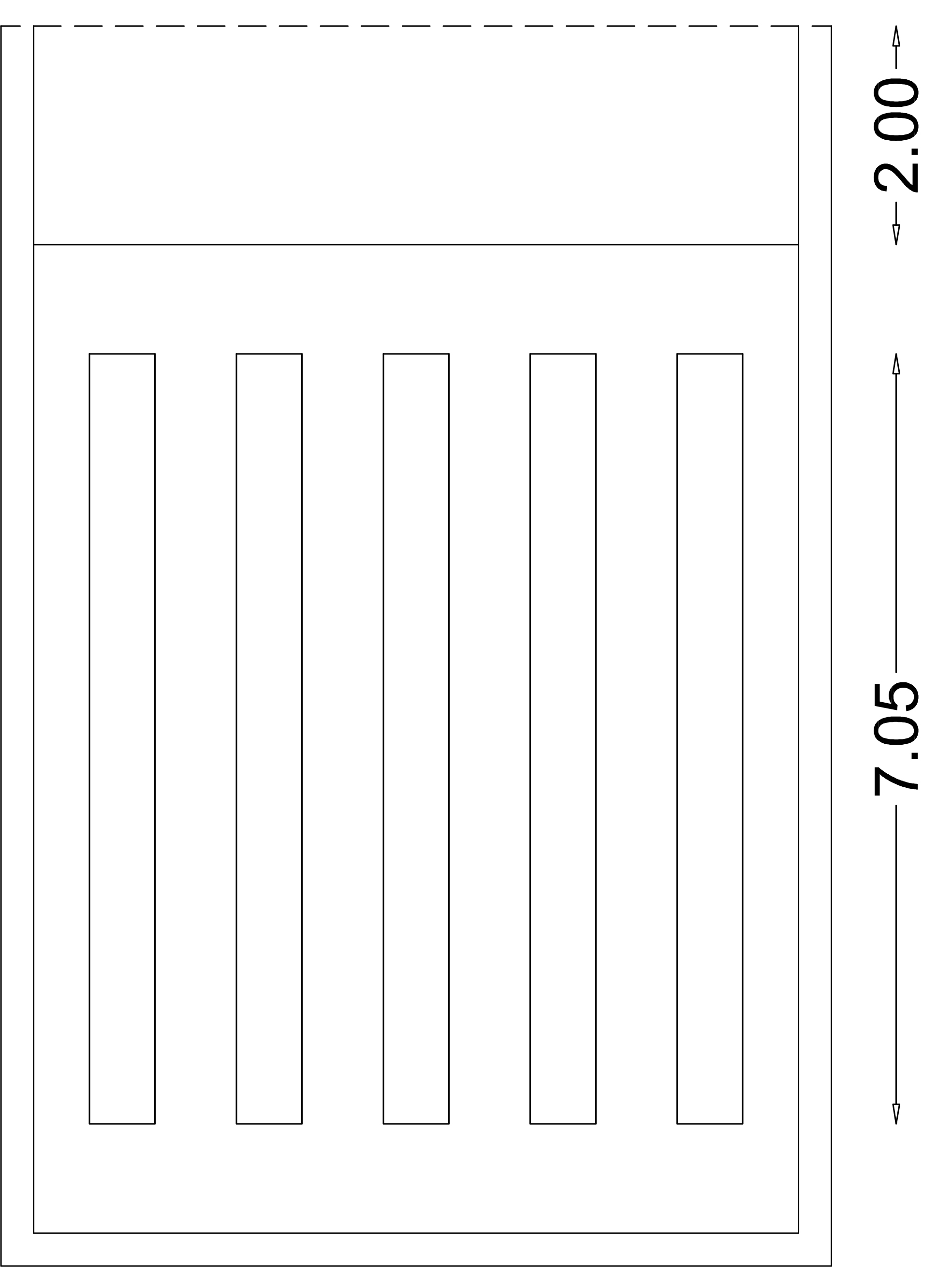
Once you have a finishedidea, you are in the first stage of design, which is creating technical drawings. Technical drawings are crucial in the design process, serving as detailed 2D representations that contain essential information about a product’s dimensions, components, and assembly (Avadanei et al., 2019). Technical drawings are a language that designers, engineers, and manufacturers can all speak. Clarity and precision are crucialat this point for efficient production.
These modifications aim to improve visibility and perceptibility of relevant objects, especially when dealing with complex assemblies or small components that may be difficult to discern on small screens (Fuchs, 2020).
Technical Design
Technical Design
Technical Design
Technical Design
Three-Dimensional Design: Bringing Ideas to Life
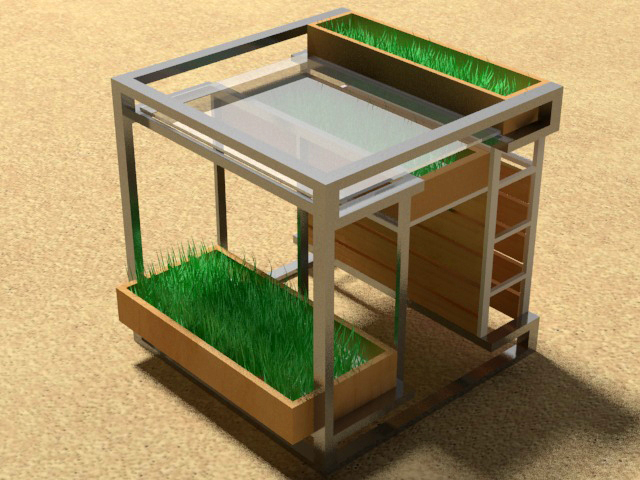
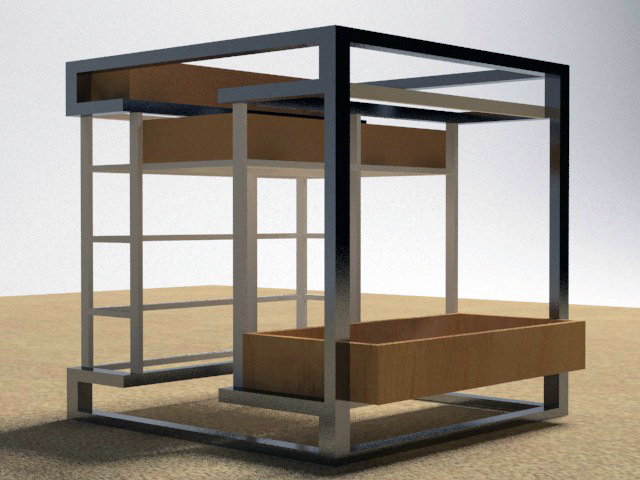
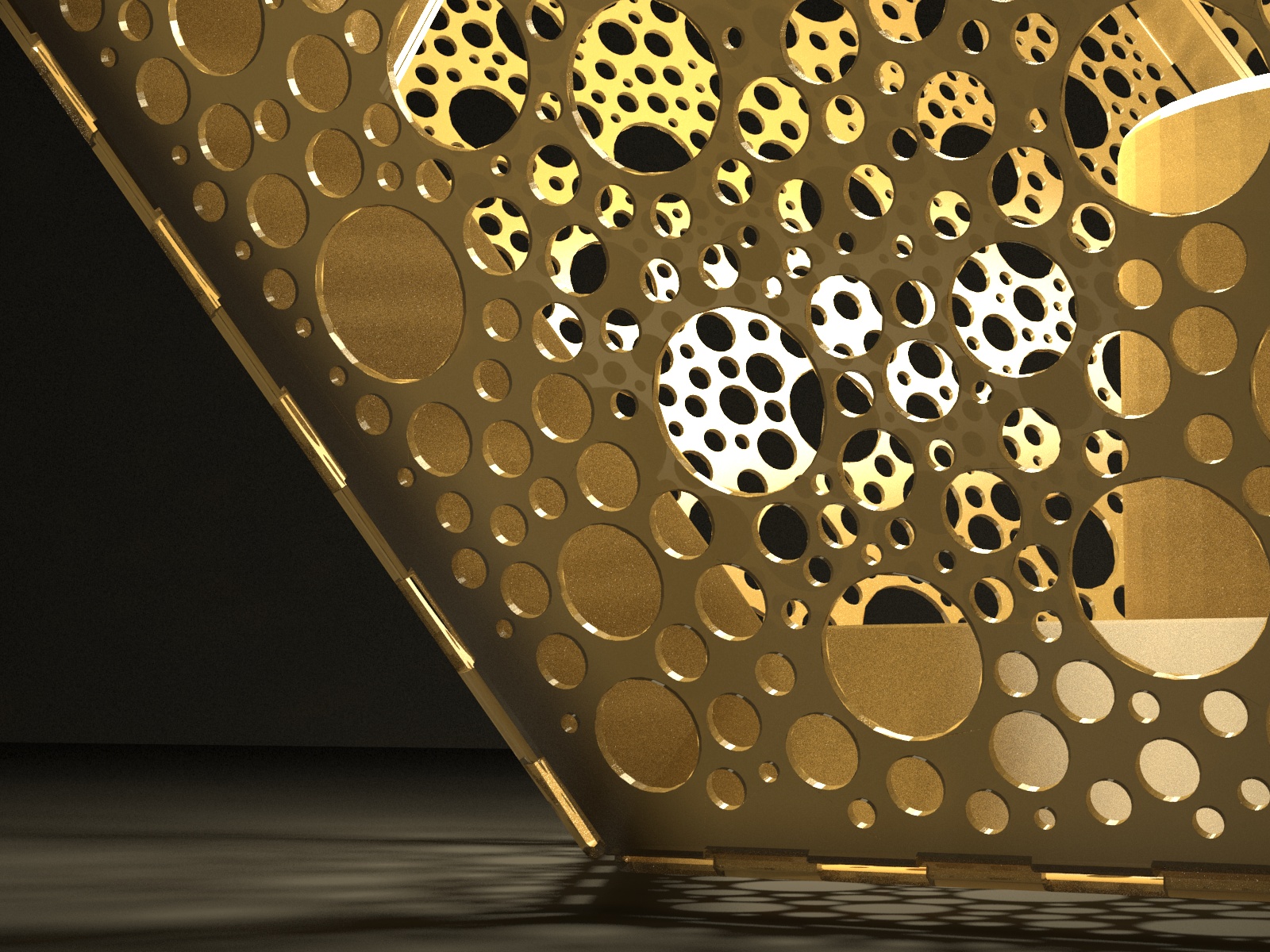
Once two-dimensional technical drawings are complete, the next step is to create a three-dimensional (3D) design. Here, the designers can visualize how the product will appear in real life and how it will meet all the esthetic and functional needs. Through 3D modeling, important information such as color schemes, material texture, and ultimate finish are accurately documented.
3D modeling and rendering have revolutionized industrial design, enabling designers to create realistic visualizations of products before production (Ching-Hai Fu & Yu-Che Huang, 2024; Chai-Chun Chao et al., 2024) High-quality 3D designs play a crucial role in improving communication and identifying potential issues early in product development. A structured knowledge representation framework can enhance design communication among stakeholders with diverse backgrounds, facilitating efficient knowledge exchange and collaboration (Zhang et al., 2021).
Three Dimensional Design
Three Dimensional Design
Three Dimensional Design
Three Dimensional Design
Production Stage: Turning Designs into Reality
Following technical drawing and 3D simulation, manufacturingof the product is commenced. Inmanufacturing, material selection is doneverycautiouslyfor every product based on the individual need of every product. Material selection is requiredas various products require different properties like strength, pliability, or texture. Although it is impossibleto refer all the materials in this paper, afewofthe highly frequent materials are wood, metal, thermowood, and composites. Designing with a correct material provides the product with longevity, functionality, and aesthetics.
Keywords: Technical sketches, Three – dimensional design, Product manufacturing, Product development process, 3D product design
Philip Kosky, Robert Balmer, William Keat, George Wise, Chapter 24 – Design Step 2: Generation of Alternative Concepts, Editor(s): Philip Kosky, Robert Balmer, William Keat, George Wise, Exploring Engineering (Fifth Edition), Academic Press, 2021, Pages 509-522, ISBN 9780128150733, https://doi.org/10.1016/B978-0-12-815073-3.00024-7.
Fuchs, G., Schulz, H.-J., & Schumann, H. (2007). Presenting Technical Drawings on Mobile Handhelds. In M. Khosrow-Pour (Ed.), Managing Worldwide Operations and Communications with Information Technology: Proceedings of the Information Resources Management Association Conference IRMA 2007 (pp. 231-235). Idea Group Publishing. http://www.irma-international.org/proceeding-paper/presenting-technical-drawings-mobile-handhelds/33061/